
Copper Wire Ferrules: Why the Sleeve Is Tin-Plated
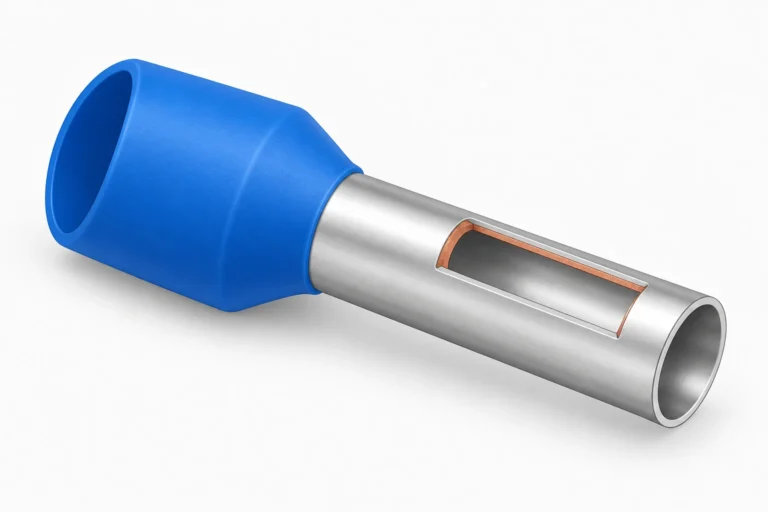
Copper wire ferrules use a copper barrel with a thin tin coating. Learn what each layer does and how to verify ferrule material before buying.


Copper wire ferrules use a copper barrel with a thin tin coating. Learn what each layer does and how to verify ferrule material before buying.
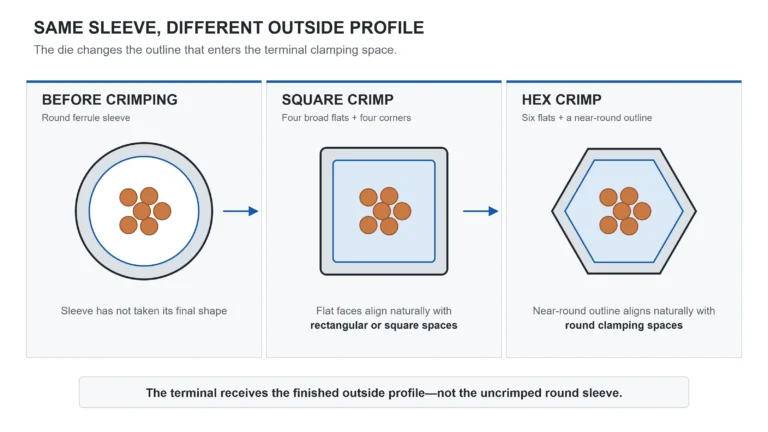
Square vs hex ferrule crimp explained by terminal shape, conductor size and tool range. See when each profile fits and what to check before buying.
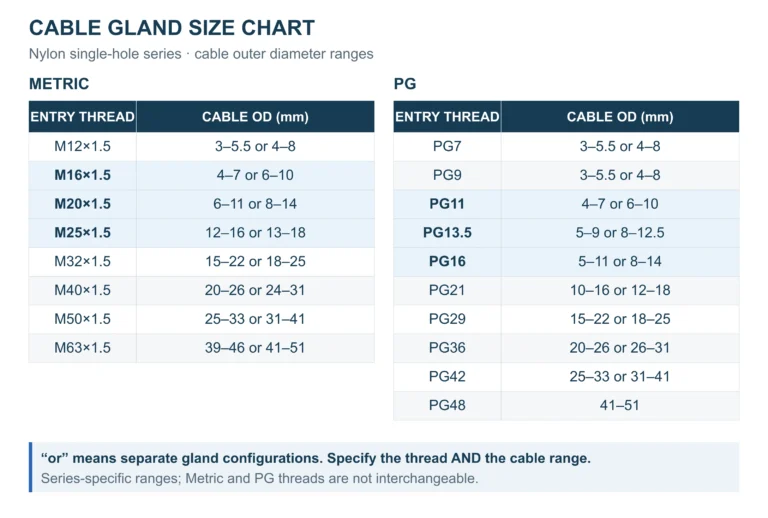
Use this cable gland size chart to compare metric and PG cable ranges, check cable diameter and match the enclosure entry.
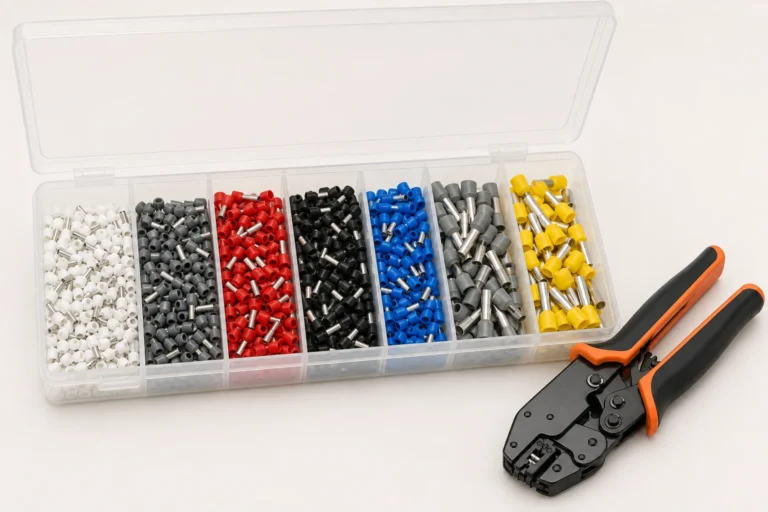
What is a crimping tool, which type each panel connection needs, and what IEC 60352-2, DIN 46228 and UL 486F require of the finished crimp.
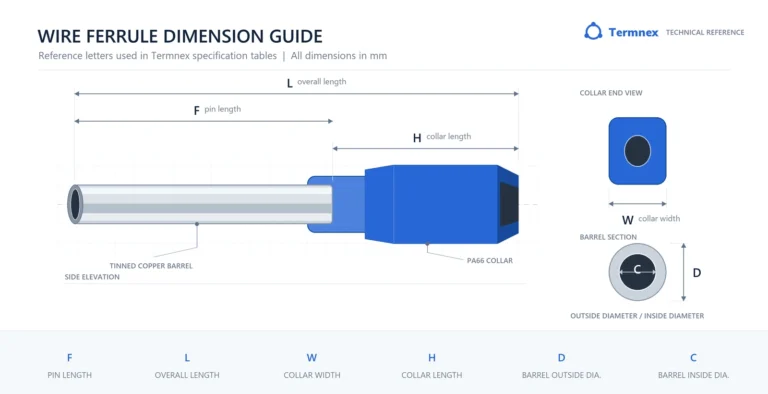
Ferrule pin length starts with the terminal manufacturer's requirement, not the wire size. Why one cross-section comes in several lengths.
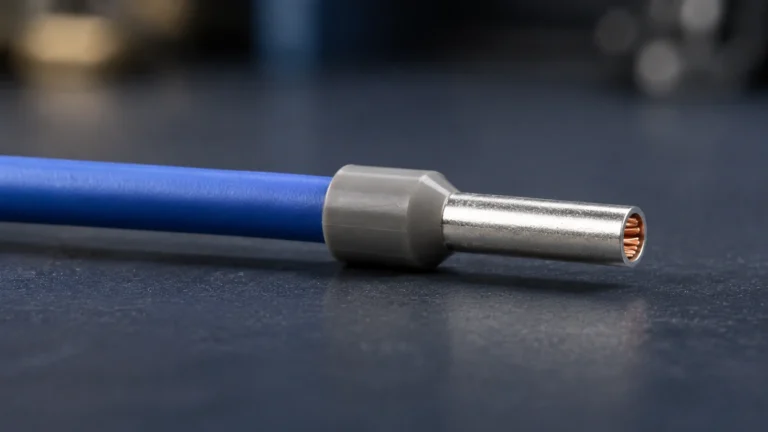
Should you use ferrules on stranded wire? A terminal-by-terminal answer, what UL 508A and IEC actually say, and the cases where a ferrule makes it worse.
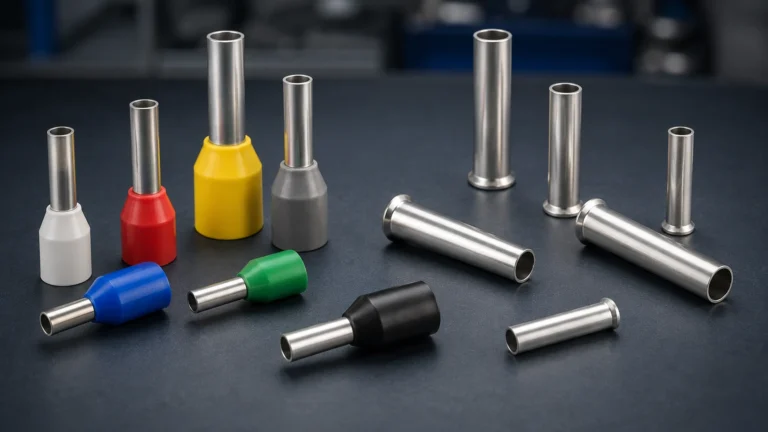
Insulated vs non-insulated ferrules compared with real size tables, the UL 508A rule that covers both types, and where the DIN colour code stops working.
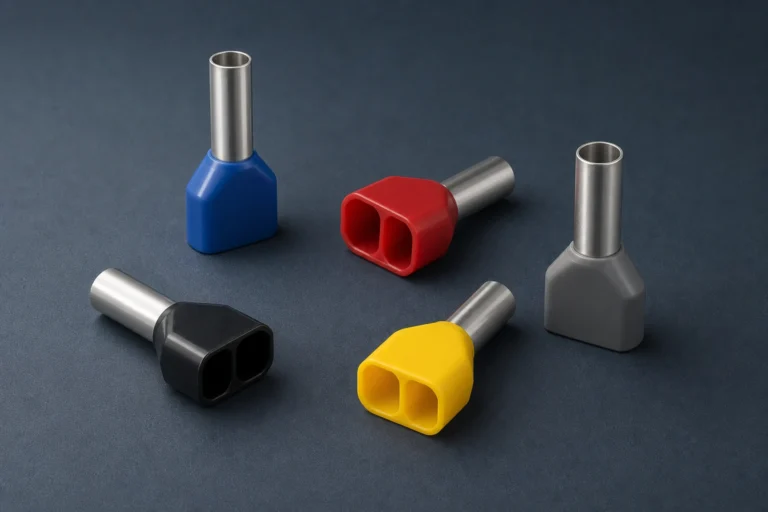
Twin wire ferrules let two conductors share one terminal point. Learn when they work, when they don't, sizing by mm², and crimping essentials.
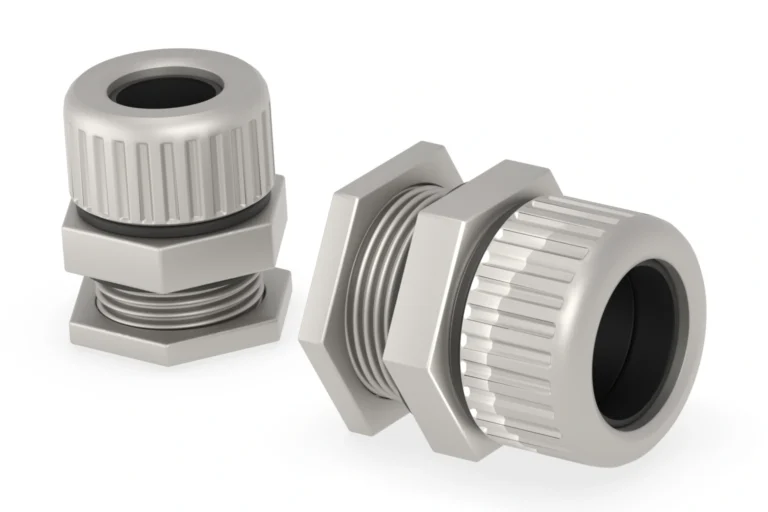
A cable gland seals and secures cables entering an enclosure. Learn cable gland types, threads, IP ratings, and how to choose one.
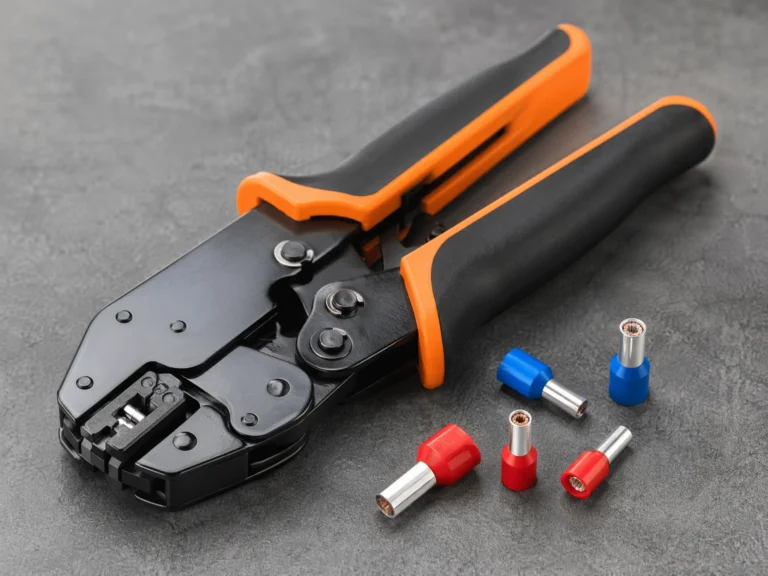
Which ferrule crimper or ferrule crimping tool fits your panel work, plus crimp profiles, step-by-step technique, and quality checks.